The Science Behind Greenhouse Dehumidifiers and Plant Strain Decrease
In commercial and mid-scale cannabis expansion, climate control systems are no longer just detailed tools—they're proper investments. When made and maintained effectively, these systems straight influence get back on investment (ROI) by increasing deliver uniformity, reducing losses, and lowering energy costs. Under is really a data-driven, FAQ-style breakdown describing how Greenhouse Dehumidifier systems contribute to stronger economic performance. Why Do Climate Control Systems Matter for Cannabis Profitability? Cannabis flowers are extremely sensitive to environmental fluctuations. Study across controlled-environment agriculture shows that actually modest modifications in heat or moisture may minimize produce potential by 5–15%. Climate control programs secure growing situations, ensuring flowers remain within optimum ranges throughout all development stages. That reliability results in predictable crop rounds, better preparing, and higher revenue reliability.
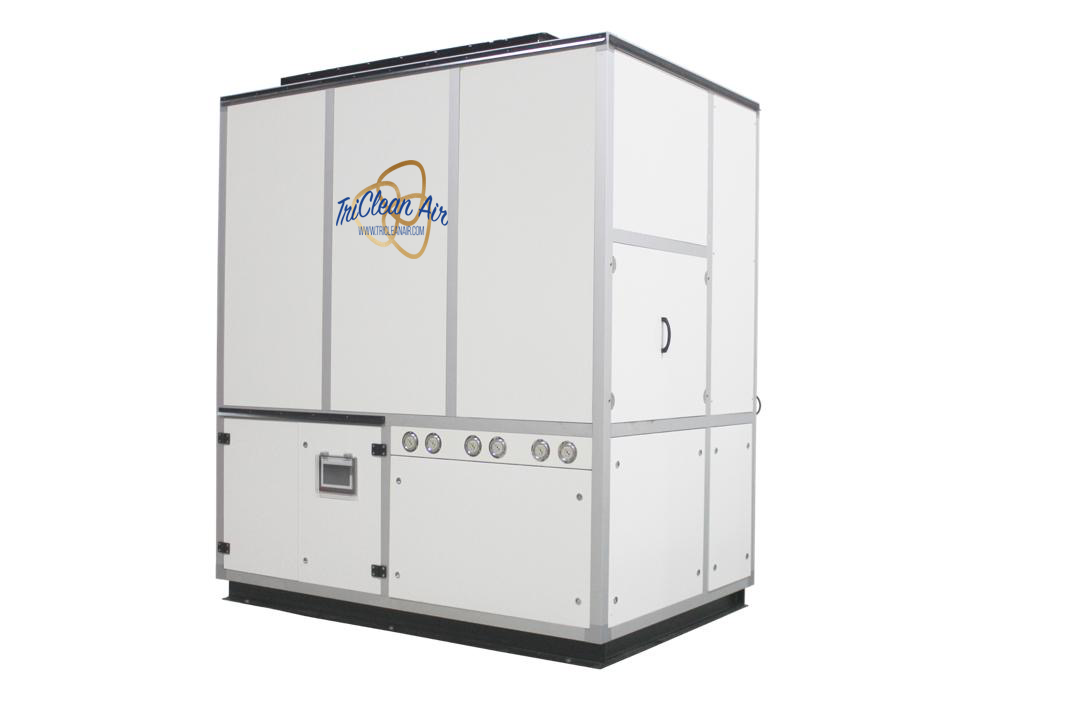
How Does Heat Administration Improve ROI? Temperature directly impacts photosynthesis, nutrient uptake, and rose development. Reports show that sustaining optimum canopy conditions may improve biomass production by up to 20% in comparison to unmanaged environments. Contemporary climate control programs automate heating and chilling based on real-time information, lowering individual mistake and minimizing stress-related plant losses. As time passes, fewer plant problems and improved output somewhat improve income margins. What Role Does Moisture Control Enjoy in Cost Reduction? Moisture mismanagement is one of many leading causes of mold, mildew, and pathogen outbreaks. Business knowledge suggests that crop failures from fungal dilemmas can take into account 10–30% of annual generation in badly managed facilities. Sophisticated dehumidification programs maintain healthy vapor stress deficit (VPD), decreasing illness chance while optimizing transpiration. Paid off crop spend and fewer remediation fees directly support larger ROI. Can CO₂ Control Actually Increase Economic Results? Yes. Managed CO₂ enrichment has been shown to increase cannabis yields by 15–30% when paired with appropriate light and nutrition. Climate control systems manage CO₂ degrees to stop waste and ensure crops absorb it efficiently. That targeted approach avoids unnecessary gasoline utilization while maximizing photosynthetic performance, resulting in larger production without proportional increases in running expenses. How Do Energy-Efficient Programs Impact Long-Term ROI? Energy expenses often represent among the biggest functional expenses in interior and greenhouse grows. Modern climate control programs use intelligent detectors, variable-speed gear, and automation to lessen energy usage by up to 25% in comparison to conventional setups. Decrease electricity expenses improve cash flow, while effective methods also expand equipment lifespan, lowering alternative and preservation costs. Are Computerized Climate Control Programs Price the Expense? Automation improves labor efficiency and decision-making accuracy. Facilities applying incorporated climate control systems record up to 40% fewer handbook adjustments and reduced downtime. By minimizing job addiction and ensuring 24/7 environmental accuracy, automated techniques support growers range procedures without proportional raises in staffing or overhead.
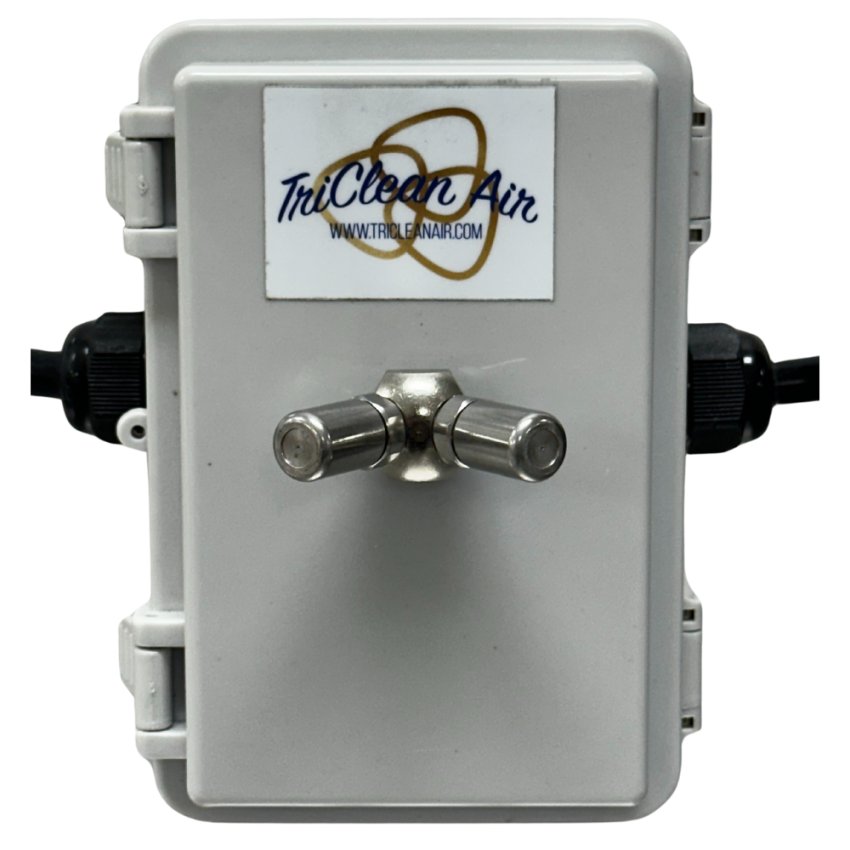
How Do Climate Control Methods Help Organization Scalability? Scalability depends upon repeatable success. Climate control programs build standardized rising conditions across rooms or facilities, permitting regular quality at bigger volumes. This uniformity helps model reliability, wholesale agreements, and long-term growth strategies—all important the different parts of sustainable ROI. The Bottom Line Cannabis climate control systems aren't almost seed health—they're about economic performance. By increasing deliver performance, reducing losses, decreasing power use, and encouraging scalable procedures, these techniques deliver measurable ROI benefits. For growers focused on long-term profitability, climate control is no expense—it is a revenue optimization strategy.